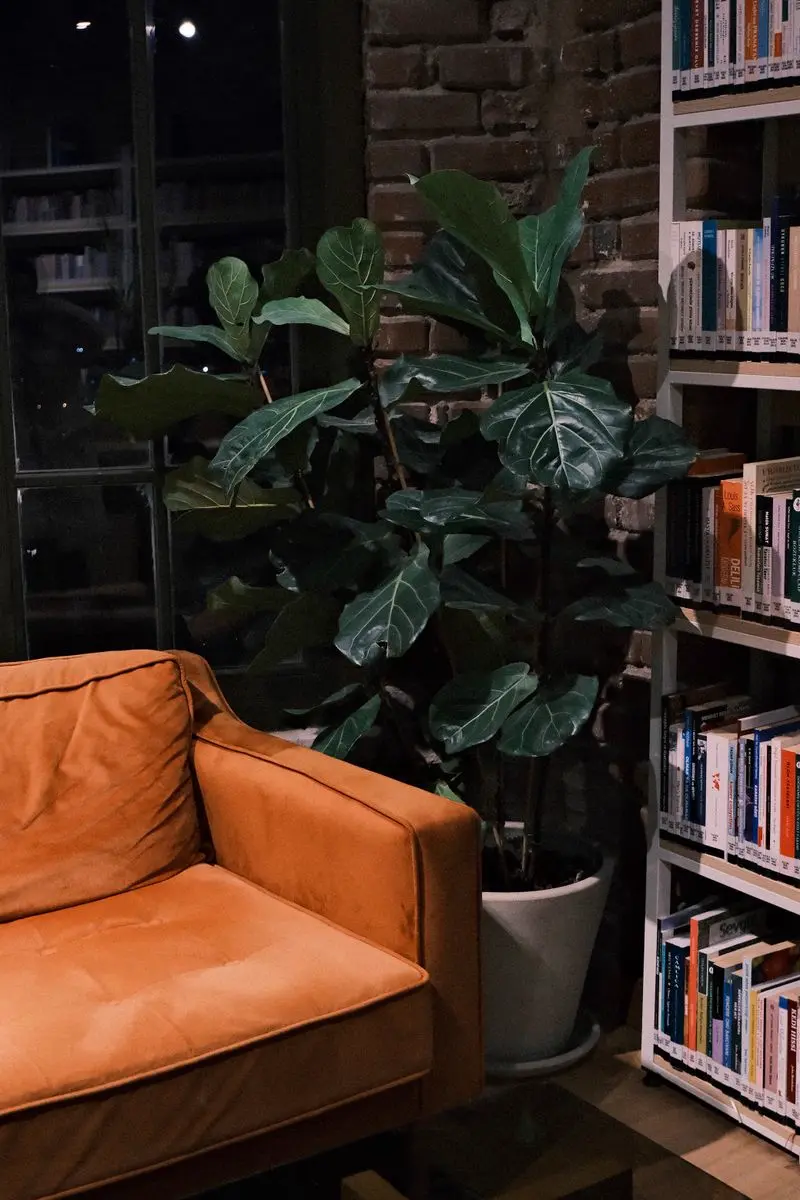
A phone-free corner is not a flawless room or a strict rule for everyone in your home. It is one small place where your attention can land without immediately being asked to respond. It might be a chair by a window, one end of a sofa, a spot at the kitchen table, or the edge of your bed.
You do not need to buy anything to begin. The purpose is not to create an aesthetic scene. It is to make a quieter choice easier when you have a few minutes available.
Choose a realistic location
Look for a place you already use. A beautiful but inconvenient corner will not help much on a tired Tuesday. Ask:
- Where do I naturally pause at home?
- What time of day could I use this space?
- What usually pulls me toward my phone there?
- What could be within reach instead?
Your answer might be a chair that needs a lamp, a window ledge with room for a cup, or a bedside surface that currently holds a charger.
Give the space one clear job
Choose one or two activities for the corner: drink tea, read a few pages, stretch, look outside, write one sentence, or sit without doing anything. Too many rules can turn a restful space into another checklist — an echo of the slow living idea that rest should not become a scorecard.
Try a simple cue that signals the job of the space:
- A coaster and mug for a tea pause.
- A basket for a book and notebook.
- A small lamp that you turn on when the workday is over.
- A blanket or cushion that makes sitting feel more inviting.
The cue is not magic. It is a gentle reminder of an option you have already chosen.
Make the phone less automatic
If possible, give the phone a different resting place while you use the corner. It can be on a charger across the room, face down on a shelf, or in another room for ten minutes. Keep exceptions available: you may need to be reachable for care responsibilities, work, or safety. A flexible boundary is more likely to last than an all-or-nothing rule.
When you notice the urge to reach for the screen, return to the activity you chose. The goal is not perfect focus. It is having a place where scrolling is not the only default.
Let it be ordinary
Use the corner for five minutes, not an idealized hour. Sit with a cup of tea before unloading the dishwasher. Read one page. Watch the light change — the kind of light, scent, and texture cue we write about for restful rooms. The value is in repetition, not display.
If the space stops helping, change it. A home sanctuary should adapt to your life, not become another standard you must meet.
Further reading
- Slow Living Without Escaping Your Real Life for practical ways to protect one transition.
- Creating a Home Sanctuary on Any Budget for more environmental cues.
- A One-Minute Digital Boundary Before Bed for a small evening practice.
Sources and further reading
- American Psychological Association: Stress resources
- NHS: Every Mind Matters - wellbeing tips
- Cal Newport, Digital Minimalism
Continue gently
The Light, Scent, and Texture of a Restful Room
Three small sensory levers—light, scent and texture—can make a room feel more restful. A gentle guide to tuning them one at a time, at any budget.
Creating a Home Sanctuary on Any Budget
A practical way to make one part of your home feel more supportive, without needing a particular aesthetic or budget.
The Ritual of Tea: A Sensory Practice in Three Steps
In a world of constant consumption, the simple act of making tea can become a profound practice of presence.