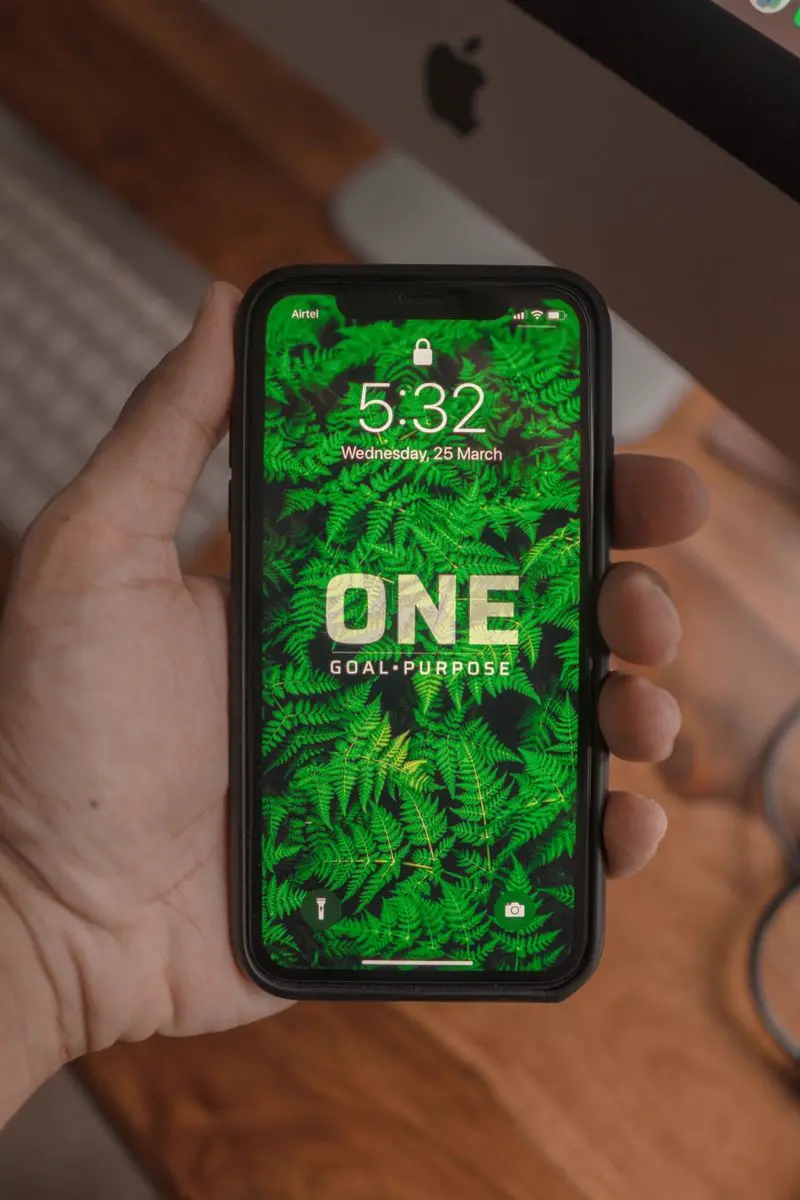
The advice to avoid screens before bed can sound impossible after a long day. Your phone may be where you talk to friends, find comfort, check tomorrow’s plans, or finally have a few minutes to yourself. A digital boundary does not have to mean abandoning technology or getting every evening right.
It can begin with one minute: choosing what happens immediately before you set the phone down.
Pick one closing action
Choose an action so small that it does not require motivation. For example:
- Put the phone on a charger that is not in your hand.
- Turn off one nonessential notification until morning.
- Send the last necessary message, then close the app instead of opening another.
- Write tomorrow’s first task on paper so you do not keep rehearsing it on a screen.
- Place a glass of water or a book where your phone usually goes.
The point is not to make the device the enemy. It is to create a visible end to the part of the day that asks you to respond.
Make the boundary easier to keep
Environment can do more than willpower. If you charge your phone beside the bed, try moving it across the room for two nights. If that is not practical, turn the screen face down and place something else within reach: a lamp switch, a notebook, or a comforting object. For a fuller version of this environmental approach, our guide to creating a phone-free corner at home walks through gentle, practical steps.
Notice what makes you reach for the phone. Is it boredom, worry, loneliness, habit, or a real need for information? Different reasons may need different responses. Sometimes the kindest option is to send a message, set an alarm, or look something up. The boundary is about choosing, not depriving yourself. This one-minute practice is part of the micro self-care practices menu, which offers small supports for different moments of the day.
A simple sentence for the mind that keeps scrolling
When you catch yourself opening another app, try: “I can come back to this tomorrow. Right now I am practicing an ending.” This is not a command to feel sleepy. It is a reminder that rest often begins before sleep does.
If sleep problems are ongoing, severe, or affecting daily functioning, consider speaking with a qualified health professional rather than relying on a routine alone.
Further reading
- Micro Self-Care Practices for Days When You Have No Time for a flexible menu of small supports.
- Slow Living Without Escaping Your Real Life for gentler transitions in a full week.
- How to Create a Phone-Free Corner at Home for an environmental approach.
Sources and further reading
- NHS: Every Mind Matters - sleep and wellbeing
- National Sleep Foundation: Sleep hygiene
- American Psychological Association: Stress resources
Continue gently
Five Tiny Transition Rituals Between Work and Home
Simple, low-pressure ways to mark the shift from work to home so the day does not have to follow you through the door.
Micro Self-Care Practices for Days When You Have No Time
Small, realistic self-care practices for busy days, with a focus on reducing pressure rather than adding another task list.
The 90-Second Reset for Your Workday
Between meetings, deadlines, and notifications, your nervous system needs micro-moments of restoration. These three resets take less than two minutes each.